Feng Shui Plants: Do's & Don'ts for Your Home | WHAT THE FENG SHUI
Aug 07, 2026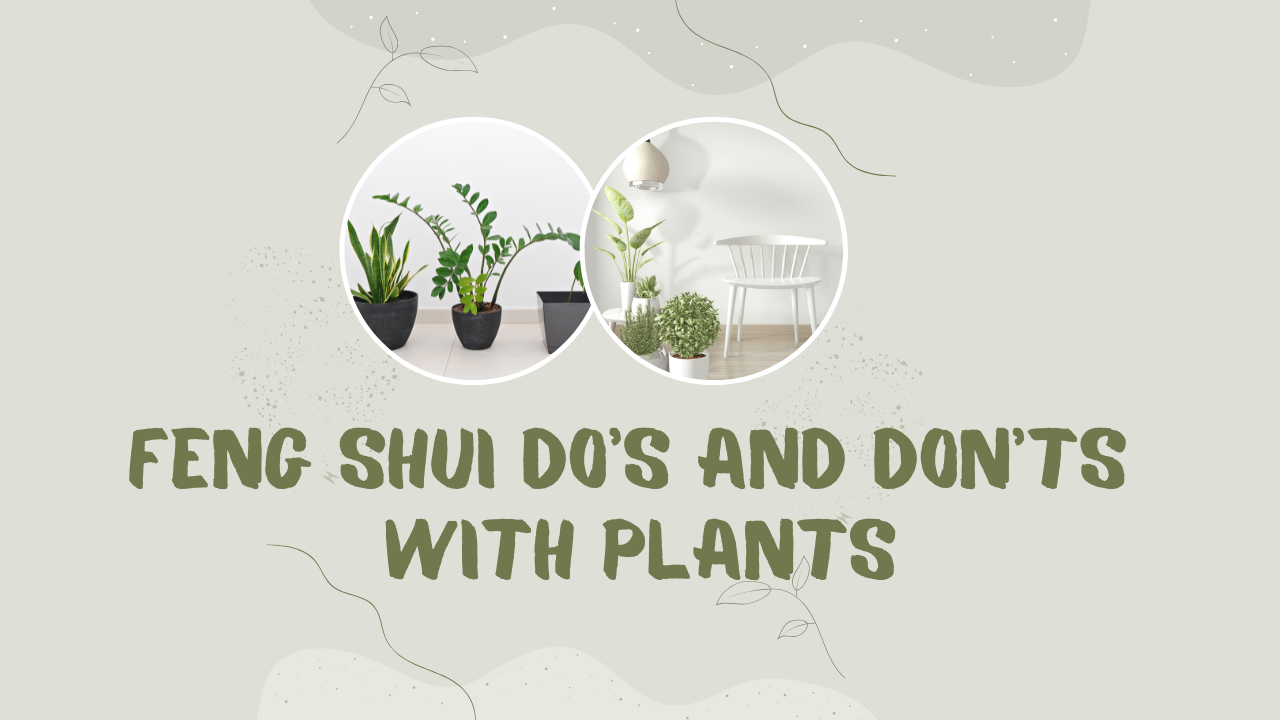
Feng Shui Do's and Don'ts with Plants 🌿
Plants represent the Wood element in Classical Feng Shui. They bring vibrant Yang Chi into your home, creating a fresh, uplifting environment while helping to improve indoor air quality.
However, plants are much more than decorative accessories. When placed in the correct areas, they can strengthen the natural energy of your home. When placed in the wrong locations, they can weaken it.
🌿 DO: Place Plants in the East and Southeast
The East and Southeast sectors naturally belong to the Wood element, making them the perfect locations for healthy plants.
The East represents health, personal growth and family harmony. Adding healthy plants to this area strengthens the Wood element and supports these aspects of life.
The Southeast is also governed by the Wood element but has a stronger connection with wealth, prosperity and financial growth. Healthy, thriving plants here symbolise continuous growth and new opportunities.
In my own home, I keep three bamboo stems in a clear, glass vase of water. The bamboo represents the Wood element, while the water nourishes the wood through the Five Elements cycle. Not only does it look beautiful, but it also symbolises continuous growth and abundance.
🌿 DO: Consider Plants in the South
The South is governed by the Fire element, so it can also be a good area for plants.
Why? Because in the Five Elements cycle, Wood produces Fire. Healthy plants therefore provide the Wood energy that naturally supports and nourishes the Fire element of the South.
The South is associated with recognition, reputation, visibility and how you are seen by others. Adding healthy, vibrant plants to this area can therefore help to strengthen the Fire energy and support these aspects of your life.
As always, don't overdo it. A few healthy, thriving plants are much better than filling the entire area with greenery. The aim is to enhance the existing energy, not overwhelm it.
🌿 DO: Slow Down Fast-Moving Chi
If your home has a long, narrow hallway or you can see straight through from the front door to the back of the house, Chi can move too quickly and escape before it has a chance to circulate.
Placing a large healthy plant or indoor tree along this pathway helps slow the movement of Chi, encouraging it to meander gently through your home and nourish each room along the way.
🌿 DO: Use Plants to Help Balance Certain Bathrooms
Bathrooms naturally drain water away, so their location within your home can influence different aspects of your life.
If your bathroom or toilet is located in the:
Northeast, it may weaken the Earth element associated with education, knowledge and exam success.
North, it may affect your career, life path and professional opportunities.
Southwest, it may negatively influence relationships, marriage and partnerships.
In these locations, a healthy plant can help soften the effects of the bathroom by introducing the Wood element, which naturally draws upon excess Water energy and helps restore a better elemental balance.
❌ DON'T: Place Plants in the Northeast or Southwest Unless They're Needed
If you don't have a bathroom in the Northeast or Southwest, avoid filling these areas with plants.
Both sectors are governed by the Earth element, and according to the Five Elements cycle, Wood controls Earth. Too many plants in these locations can weaken the Earth element, potentially affecting stability, support and relationships with family, friends or colleagues.
🌿 DO: Choose Healthy Plants
Always choose plants with:
* Vibrant green foliage
* Healthy new growth
* Rounded or soft-shaped leaves
* Strong, healthy stems
Rounded leaves encourage a softer, more harmonious flow of Chi, making them an excellent choice for most homes.
❌ DON'T: Fill Your Home with Spiky Plants
Avoid large numbers of plants with sharp, pointed leaves or thorns, such as cacti, particularly in your main living spaces.
These plants can create Sha Chi, or negative energy, especially if they point towards places where you sit, sleep or work.
🌿 DO: Look After Your Plants
Healthy plants create healthy Chi.
Choose plants that are suited to the environment you're placing them in so they can thrive. Water and feed them regularly, remove any dead leaves or flowers, and make sure the pot is large enough for healthy root growth.
A thriving plant symbolises vitality, growth and opportunity, while a neglected or dying plant represents stagnant energy.
A healthy, flourishing plant brings vibrant Chi into your home. A struggling plant does the opposite. Always choose plants that suit the amount of light, warmth and care your home can provide, and they'll reward you with beautiful, positive energy.
Plants are a wonderful way to enhance the energy of your home, but they should always be used thoughtfully. Choosing the right plant, placing it in the appropriate area and keeping it healthy will have a far greater impact than simply filling your home with greenery.
Healthy, thriving plants symbolise growth, vitality and new opportunities. When positioned correctly, they can support the natural balance of your home and create an environment that feels fresh, welcoming and full of positive Chi.
As with all Classical Feng Shui, there is no one-size-fits-all approach. Every home is unique, so plants should be used as part of a considered Feng Shui analysis rather than as a quick fix. When used correctly, they can become one of the simplest and most effective ways to enhance the energy of your home.
Ready to Discover the Real Power of Feng Shui?
If you're ready to move beyond social media myths and learn authentic Classical Feng Shui, my Free 5-Day Feng Shui Beginners Kit is the perfect place to start.
You'll learn how to:
* Read a Feng Shui compass correctly.
* Plot The Bagua map of your home.
* Discover your personal Life Gua.
* Understand the foundations of Classical Feng Shui.
And when you're ready to go deeper, The Feng Shui Blueprint will teach you how to analyse your own home using traditional Feng Shui principles, giving you the confidence to create a home that truly supports your health, wealth and relationships.
About the Author
Victoria Stoker is the founder of What The Feng Shui and a Traditional Feng Shui practitioner dedicated to making authentic Feng Shui simple, practical and easy to understand. Through online courses, YouTube videos and educational resources, she teaches people how to use Traditional Compass School Feng Shui to create healthier, happier and more harmonious homes.
FREE FENG SHUI BEGINNERS KIT
We hate SPAM. We will never sell your information, for any reason.